Los Angeles: water, sewer and permits
Canoga Park began in March 1912 as Owensmouth, a town laid out at the end of the Pacific Electric line, and it joined Los Angeles on February 26, 1917. The city had already taken in 169.89 square miles of the Valley on May 22, 1915, more than doubling its size, because annexation was the way to reach Los Angeles Aqueduct water, first delivered at the north end of the Valley on November 5, 1913. The Los Angeles River itself starts in Canoga Park, at river mile 51.0 where Owensmouth Avenue meets Vanowen Street, and flows east through the Sepulveda Basin. On this side of the Santa Monica Mountains the city meets Calabasas and Hidden Hills on the west and unincorporated foothills on the north and west, with the county line beyond its western edge; Burbank and Glendale are generally counted as its eastern neighbors, and San Fernando is usually described as an island inside it.
The Census box further down this page counts the whole city. The Valley side on its own, measured across 31 ZIP areas that lie almost wholly inside the city, holds about 457,900 housing units, and the median one dates from about 1968. Sixty-nine percent went up before 1980 and 46 percent are detached single-family houses, a larger share than the citywide figure. The 1950s are the biggest single decade at 24 percent, and the three decades from 1950 through 1979 account for 57 percent, the years when farmland became tracts and the Valley went from about 400,000 people in 1950 to about 840,500 in 1960. Granada Hills grew by 1,000 percent in the 1950s, Panorama City was planned in 1947 with more than 4,000 homes, and Porter Ranch came along from 1962. In Canoga Park about 250 homes in the Owensmouth core date from 1913 to 1939, the commercial buildings along Sherman Way from 1913 to 1945, and most of the rest of the West Valley filled in with Ranch-house neighborhoods in the 1950s and 1960s.
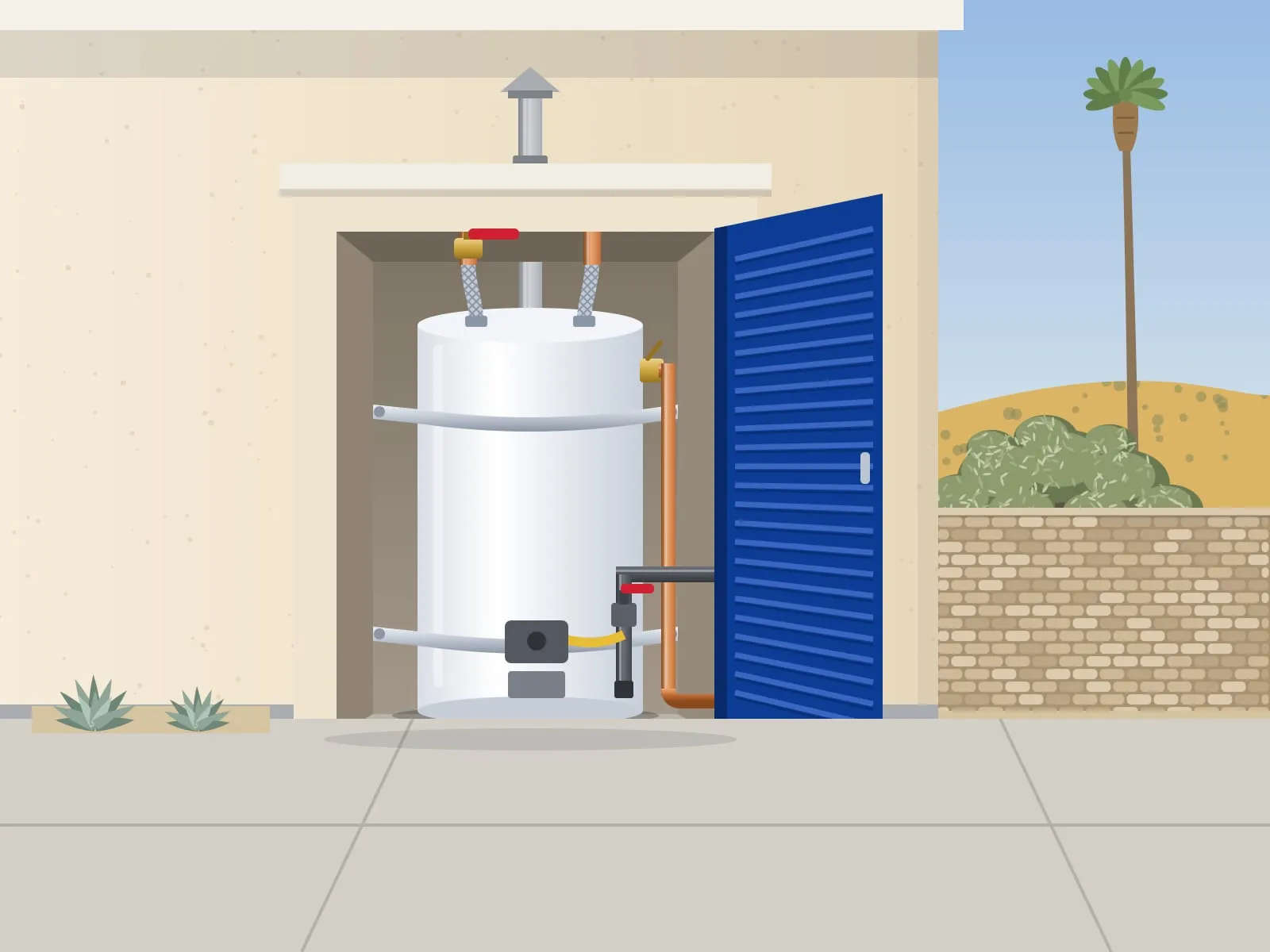
LADWP supplies the water and the power, and calls itself the largest municipal utility in the nation. Its 2025 supply was 44 percent Los Angeles Aqueduct, 52 percent Metropolitan water, 3 percent recycled and 1 percent local groundwater, and it lists Canoga Park and the other Valley neighborhoods as fed by the aqueduct, local groundwater and State Water Project water. Those three Valley sources averaged 6.0 grains per gallon of hardness at the aqueduct filtration plant in Sylmar, 6.7 in the Valley wells and 8.2 at Metropolitan's Jensen plant in Granada Hills. LADWP calls anything over 7 grains hard, so Valley water lands between medium-hard and hard depending on the blend, which over the years is enough to leave scale in a heater tank and on aerators. LADWP disinfects with chloramines, which slowly break down the rubber inside flexible hoses, and it found no lead service lines in October 2024. It owns the service line and the meter; everything on your side of the meter is yours, and a pressure regulator is required where static pressure at the house tops 80 psi.
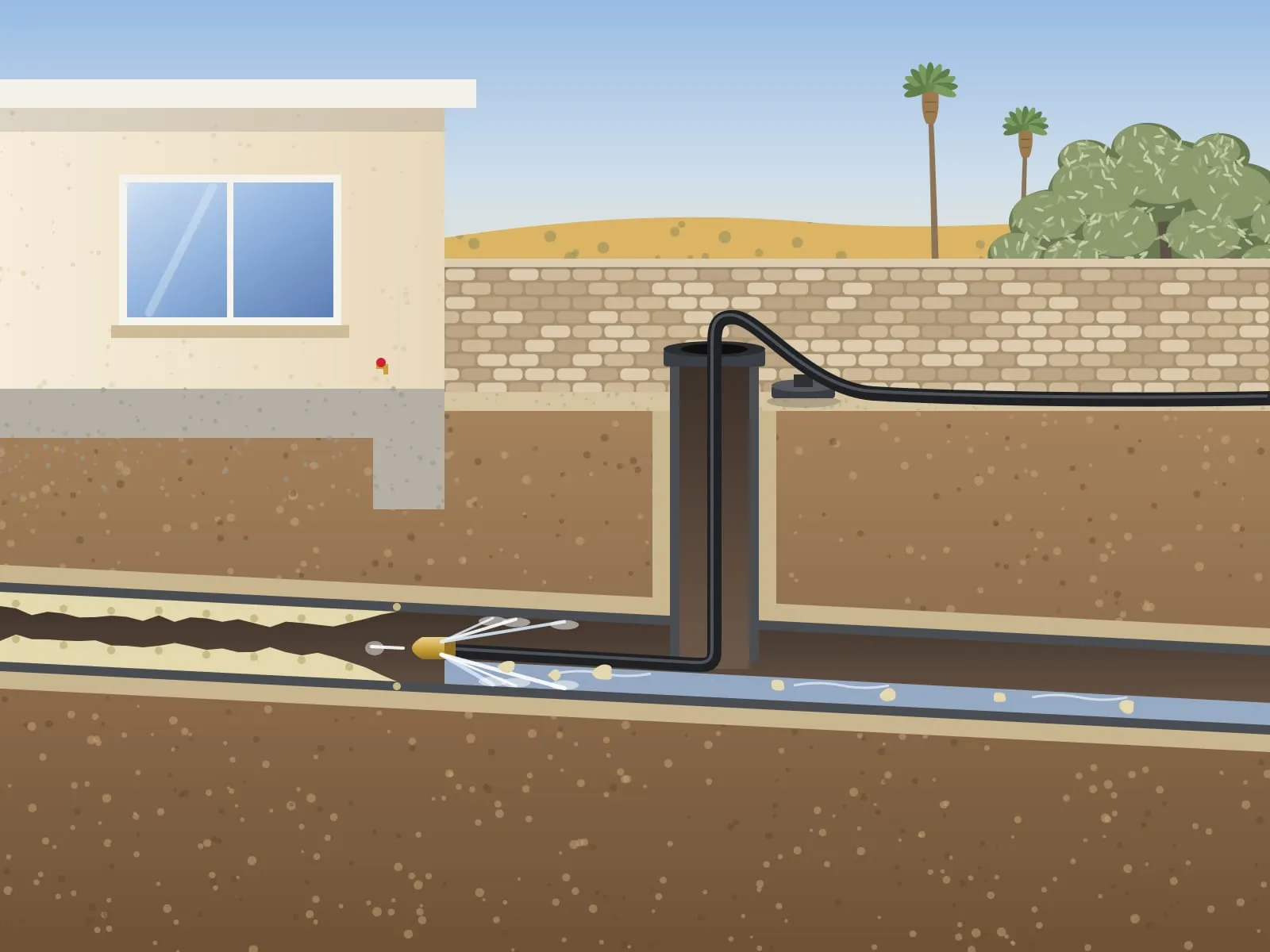
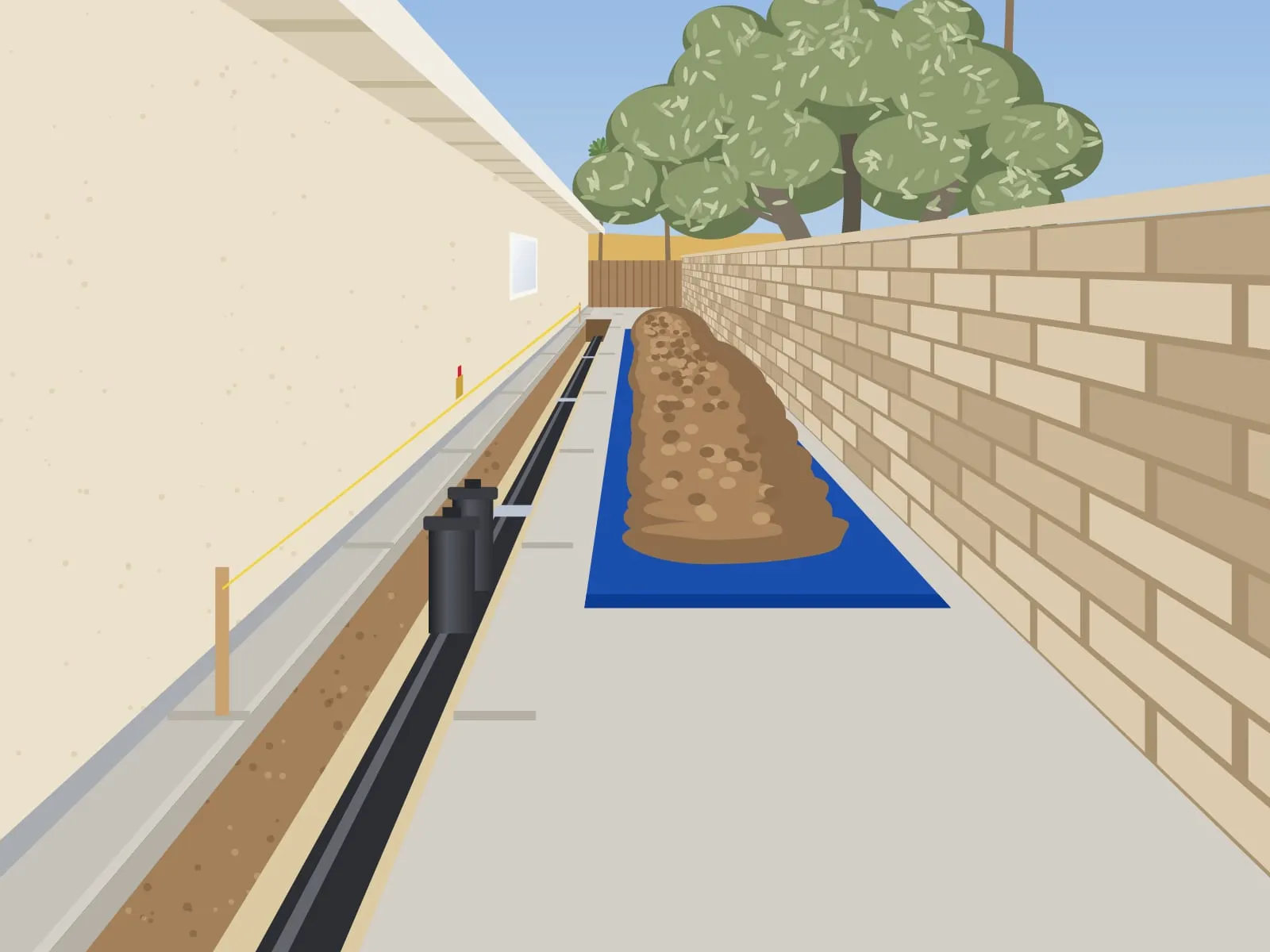
Sewage from the north and west Valley goes to the Donald C. Tillman Water Reclamation Plant in Van Nuys, opened in 1985 and doubled to 80 million gallons a day in 1991, which serves about 1.1 million people and sends its solids on to the Hyperion plant; its 6.5-acre Japanese Garden is watered with the plant's own recycled water. The east Valley drains to the Los Angeles-Glendale plant. LA Sanitation keeps the mains, but the lateral from your property line to the main, root blockages under the street included, is the owner's to repair, and work on it needs a Bureau of Engineering S-Permit, with any digging in the street done by a Bonded Sewer Contractor. Inside the property, LADBS issues the plumbing permits from its Van Nuys Development Services Center at 6262 Van Nuys Blvd., where water heater replacements, fixture replacements, sewer repairs, small gas piping jobs and earthquake valves go through as Express Permits with no plan check. SoCalGas supplies the gas.
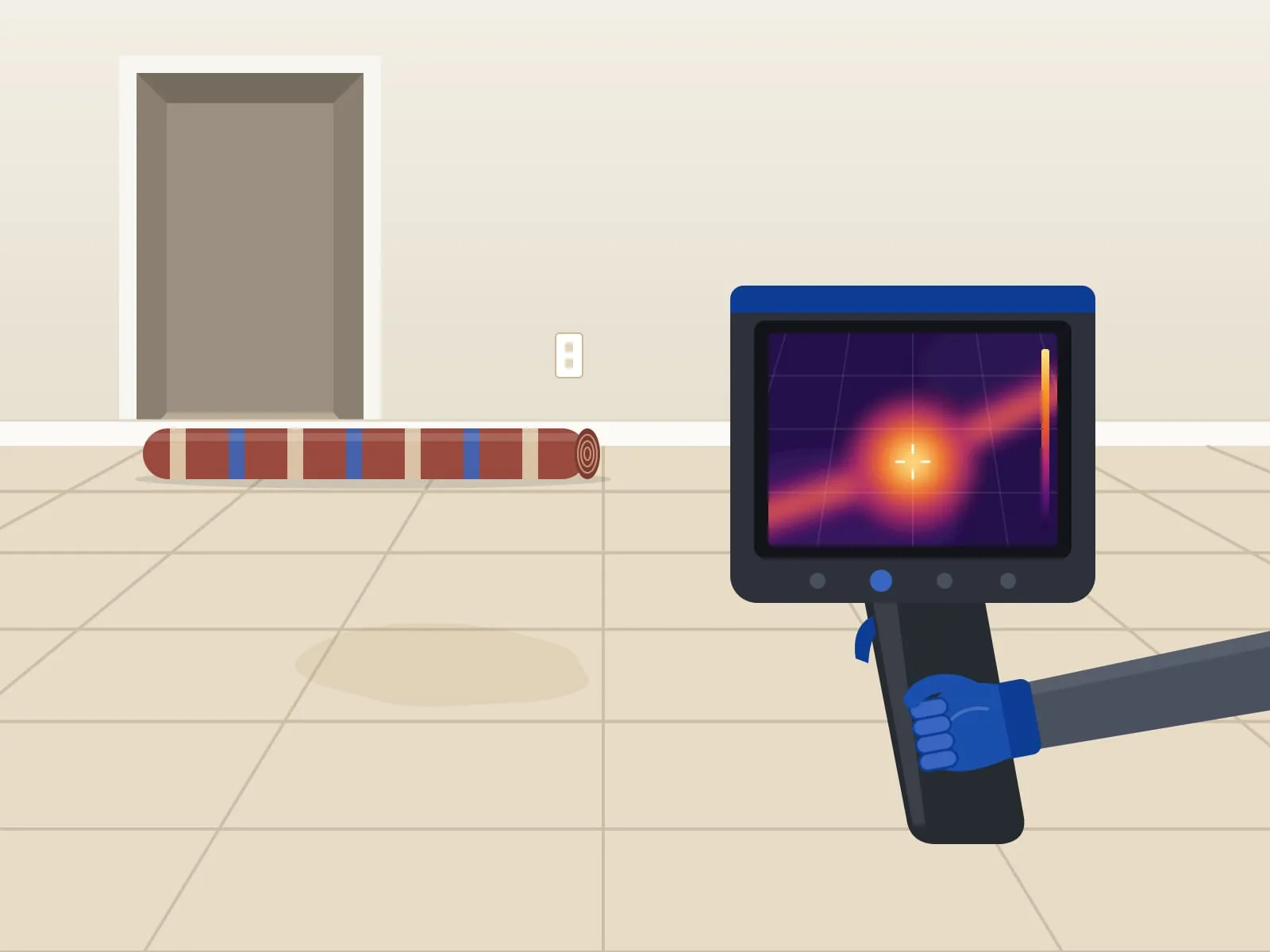
Los Angeles borders San Fernando, Burbank, Glendale, Hidden Hills and Calabasas. We take calls from each of them on the same 24-hour line. The plumber follows a leak or a blockage back to its source before cutting into any wall or floor, and nothing proceeds until you have signed a written estimate.
Neighborhoods we come to
- Canoga Park
- Woodland Hills
- Winnetka
- Reseda
- Chatsworth
- Northridge
- Granada Hills
- Van Nuys
- Sherman Oaks
- North Hollywood
ZIP codes in Los Angeles we cover
- 91303
- 91040
- 91306
- 91316
- 91324
- 91325
- 91326
- 91330
- 91331
- 91335
- 91343
- 91344
- 91345
- 91352
- 91356
- 91364
- 91367
- 91401
- 91402
- 91403
- 91405
- 91406
- 91411
- 91423
- 91436
- 91601
- 91602
- 91604
- 91605
- 91606
- 91607