
Hidden Hills: water, sewer and permits
A. E. Hanson started Hidden Hills in 1950 as an equestrian community of one-acre minimum lots, and it incorporated on October 19, 1961, as the 73rd city in Los Angeles County. It covers just under 2 square miles with about 648 home sites, and nearly the whole city is a single guard-gated community. Two bodies share the running of it: the Hidden Hills Community Association owns the streets inside the gates and handles the gates, the riding trails and architectural approvals, while the City handles Building and Safety. Los Angeles wraps around the north and east sides, unincorporated county land lies to the south, Calabasas is next door, and the county line runs along the west.
The Census counts about 740 housing units here, and every one of them is a detached single-family house. The median home was built in 1970, 63 percent went up before 1980, and about half are older than 1970, with the 1950s the largest single decade. Houses from Hanson's first decade are now around seventy years old. In a house that age, some runs of pipe may be original and others replaced during later work, so the plumber checks what is actually in the wall before anything is priced.
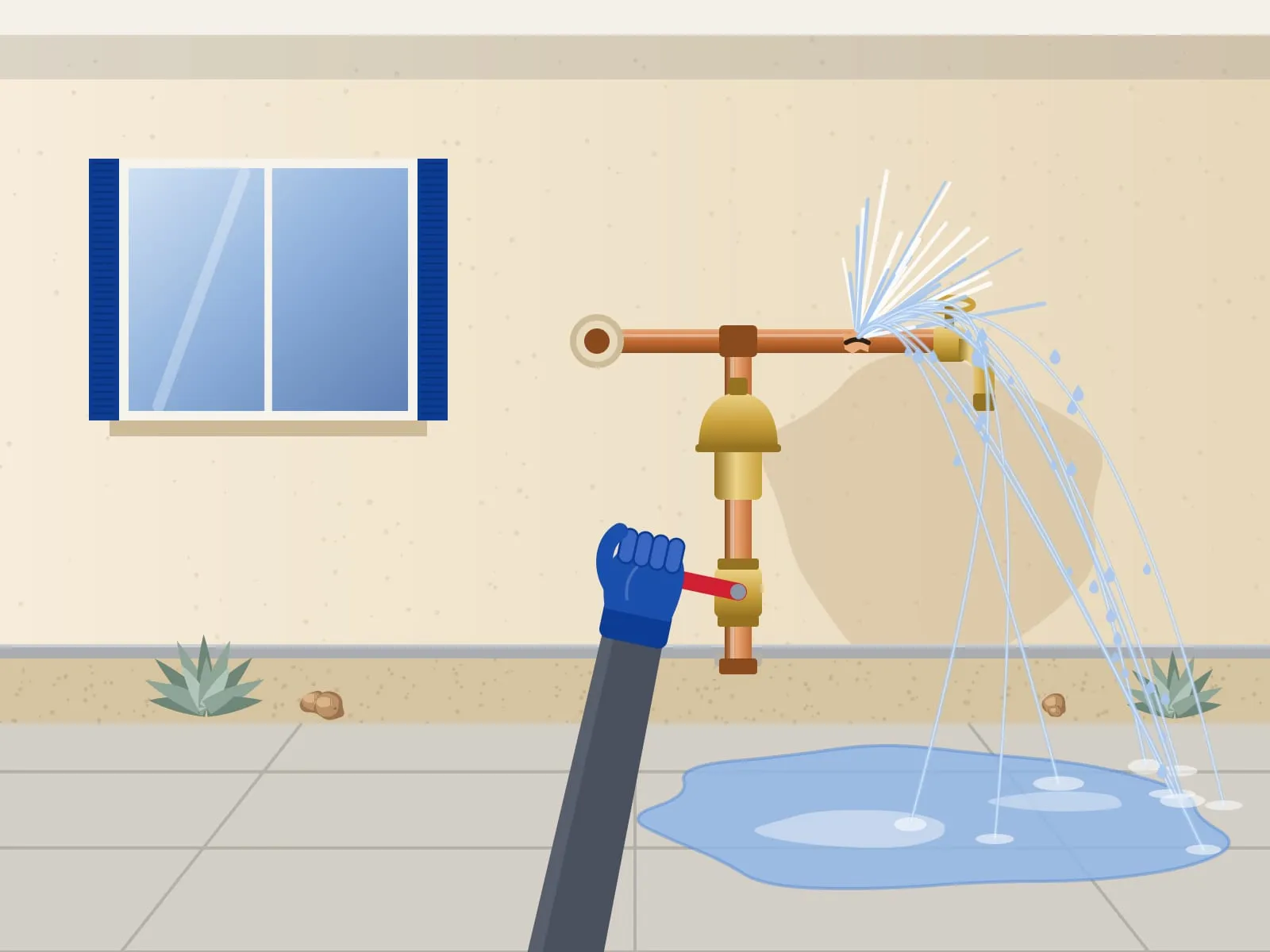
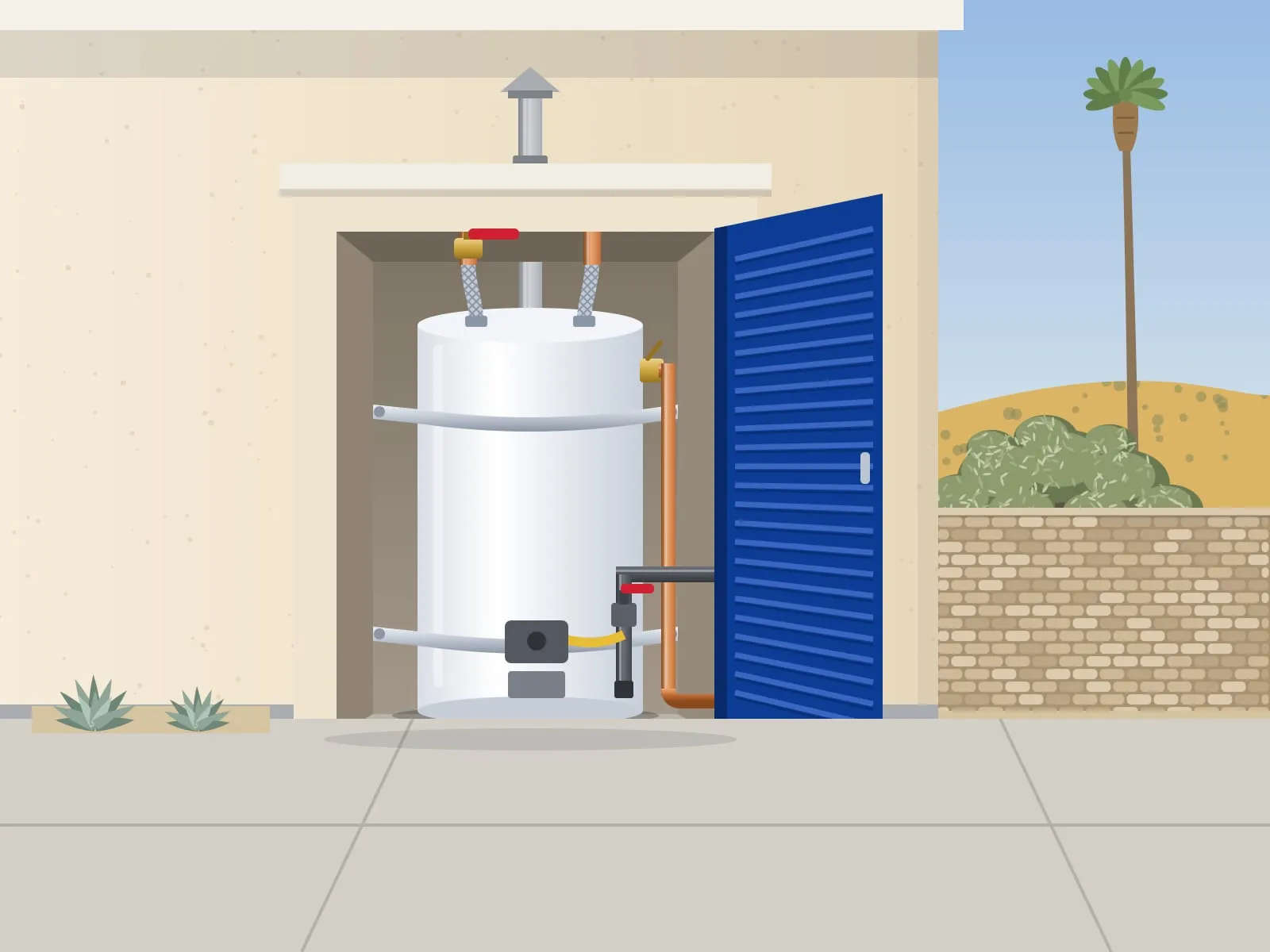
Water comes from the Las Virgenes Municipal Water District, which imports all of it as State Water Project water bought through Metropolitan and disinfects it with chloramines. In 2025 its hardness averaged 142 mg/L, about 8.3 grains per gallon, within a range of 119 to 176 mg/L. That is hard water, and over the years it leaves scale inside water heaters and on valves and fixtures. On a lot of an acre or more the line from the meter to the house is long as well, so a hidden leak can run for a while before it shows on the bill or in the yard.
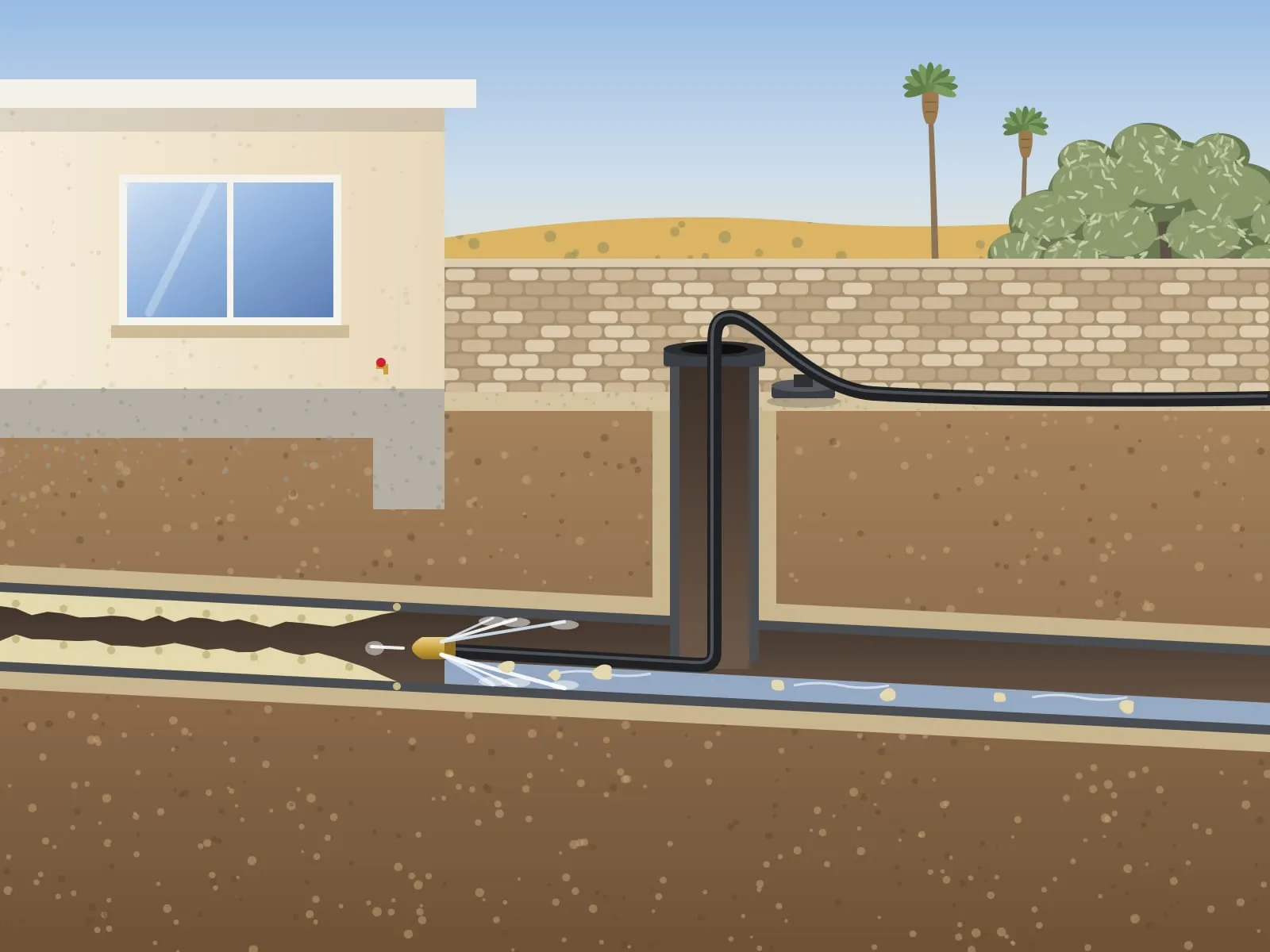
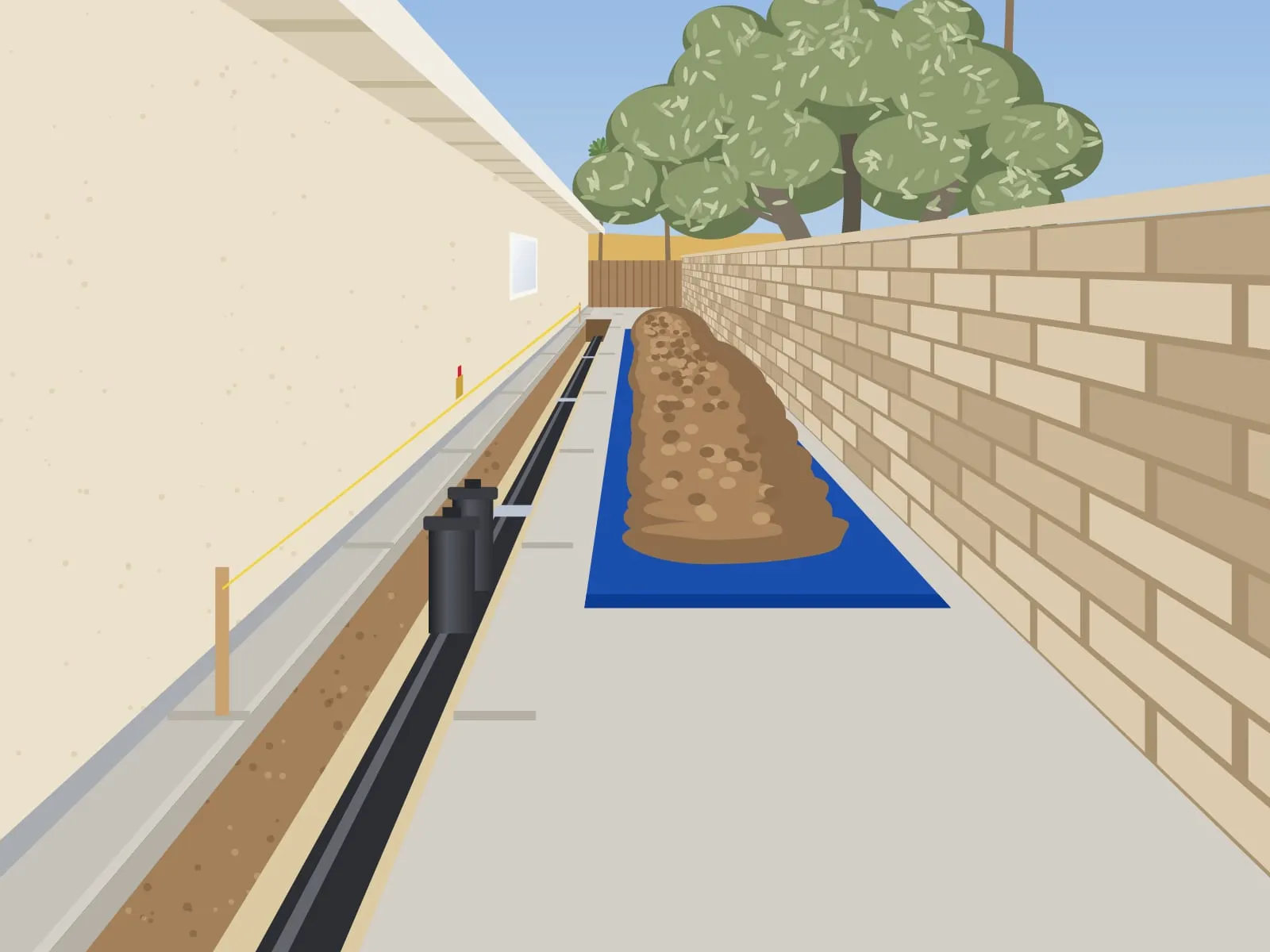
Sewer, not septic, is the rule: nearly every property is on the public sewer, about 16 miles of mains and 2 pump stations maintained by the County Sewer Maintenance District, which the City joined in 1970, and LVMWD treats the wastewater. The homeowner owns the whole lateral, out to the main in the street or easement, and must keep it clear of roots and grease; the City recommends a backflow preventer and a cleanout on it. Any septic system still in use goes through LA County Public Health. Plumbing permits come from the City's own Building and Safety Department at City Hall, 6165 Spring Valley Road, run under contract by Transtech, and are applied for online through the Hidden Hills Permit Center. SoCalGas supplies the gas.
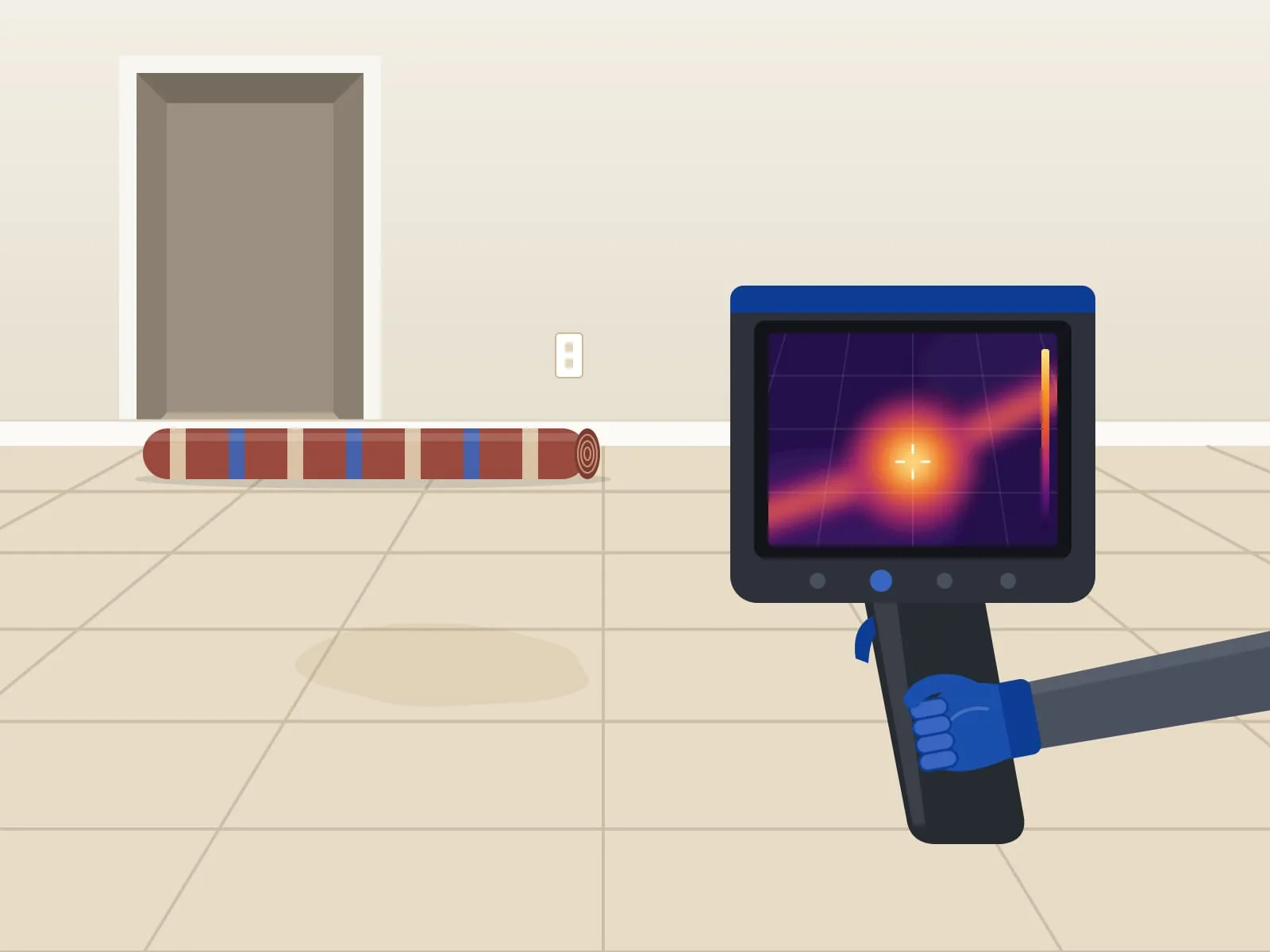
Hidden Hills borders Los Angeles and Calabasas. We take calls from each of them on the same 24-hour line. The plumber follows a leak or a blockage back to its source before cutting into any wall or floor, and nothing proceeds until you have signed a written estimate.
ZIP codes in Hidden Hills we cover
- 91302